Wednesday, 15 March 2023

How to Keep Your Roof Shingles in Top Condition

Your roof is a major part of your home’s value. One of the most important things you as a homeowner can do is make sure that your roof is properly maintained.

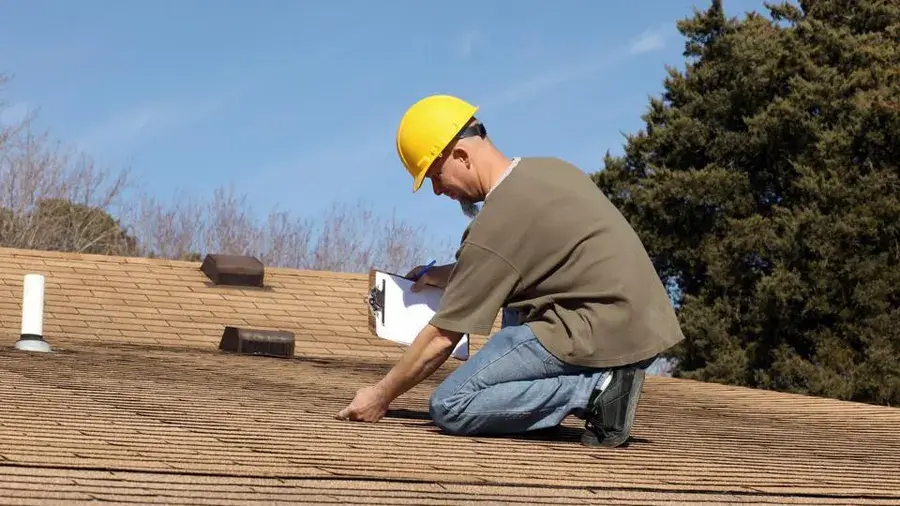
Perform annual or biannual inspections to assess how well the integrity of the roof is holding up. You also want to check for missing or damaged shingles and look for anything that might cause problems down the road. Potential problems would be low-hanging branches or clogged gutters.

However, it is important to remember that not every roof is the same as far as maintenance goes. Different roofing materials require different types of attention to maintain.

In this article, we will discuss the most common types of shingle materials used and how to make sure you get your money’s worth out of them by taking care of them.
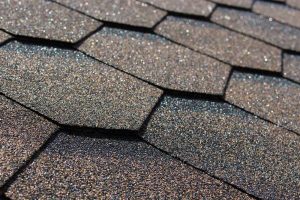
Asphalt Shingles

The most common material used for roof shingles, depending on location, is asphalt. Economical and typically low-maintenance, they are unfortunately susceptible to a lot of weather conditions. Without a protective coating, enough exposure to the sun can speed up the cracking and decaying process. Hail is another environmental nuisance causing granules to be knocked off and leaving marks and dents in the roof.  Wind can rip shingles from the roof, leaving the roof open to damage from the elements. Asphalt shingles require a protective UV coating and a flexible base to protect them from sun and wind damage.
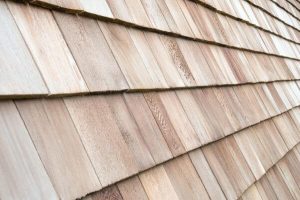
Wood Shingles

While this material requires more upkeep than other shingles, it is highly sought after due to the wonderful aesthetic they bring with them. This type of shingle needs to be made with a strong type of wood, like redwood or cedar. A few things you need to consider before opting for this type of roof:

  • the quality of lumber
  • average humidity in your area
  • how close you are to saltwater
  • qualified wood shingle roof installer

All these factors can either make or break your wood-shingled roof. Wood shingles need to be pressure-treated and maintained with sealants or coatings that protect against constant exposure to sun and rain. Without that protection, sun rays can cause your wood shingles to cup or curl. This can lead to fractures. If properly looked after, these shingles can last 10-15 years longer than your typical asphalt shingles.
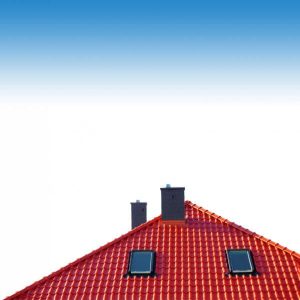
Tile Shingles

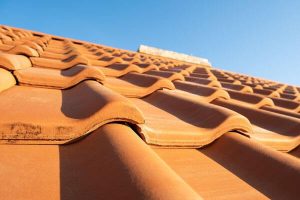
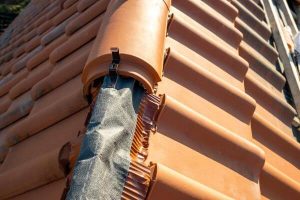
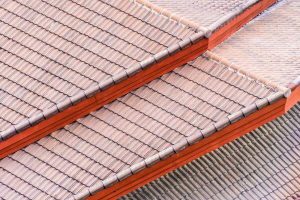
This sturdy, long-lasting contender can take on the damage that the sun, rain, and wind can dish out. While concrete and stone tiles are typically more durable, porcelain and clay tiles can become fragile and break in a hailstorm or high winds. Clay tiles don’t keep well in colder climates that see a lot of snow and ice. They do hold up well in higher temperatures with a lot of sunshine, however. This makes them more popular in arid climates like the southwest U.S. In order to have a healthy tile roof, you need to make sure the tiles are properly installed.  Hire a professional familiar with weight restrictions and architectural structures that can hold these heavy shingles. The tiles themselves can last upwards of 50 years, however, the basal layer needs to be replaced about every 10 years to prevent cracking and leaking in the roof.
Slate Shingles

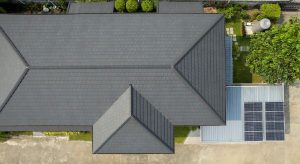
This material can withstand high winds, keep the rain and moisture out of your attic, and even repel hail. These traits make them one of the most durable types of roof shingles out there. Because these shingles are heavy, they will require a very skilled roofing installer to make sure they are done correctly. They will need extra architectural reinforcement due to their weight. You will need to have these checked regularly and fix any problems immediately in order to maintain the durability and long life of your slate roof.
Metal Shingles

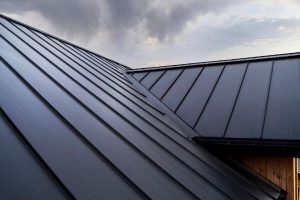
As can be expected, metal roofs are one of the most durable roof systems you can have. Their ability to keep out moisture and rain, along with their ability to reflect heat rays from the sun, makes them a popular choice. Hail and wind are the enemies of the metal roof.  Hail can dent your metal roof, while wind can cause even more damage to metal roofing than a typical asphalt roof if the metal roofing is not installed properly.


from
https://roofingsolutionsnearby.com/roof-shingles-care-and-maintenance/


from
https://roofingsolutions0.weebly.com/blog/how-to-keep-your-roof-shingles-in-top-condition

from
https://angelicaayala0.blogspot.com/2023/03/how-to-keep-your-roof-shingles-in-top.html


from
https://angelicaayala0.weebly.com/blog/how-to-keep-your-roof-shingles-in-top-condition

from
https://chrisnunez0.blogspot.com/2023/03/how-to-keep-your-roof-shingles-in-top.html


from
https://chrisnunez0.weebly.com/blog/how-to-keep-your-roof-shingles-in-top-condition

Monday, 13 March 2023

Shingle Performance in Different Climates: What You Need to Know

One of the unsung heroes for a homeowner is a roof, but more importantly, the shingles on the roof. Without shingles on your roof, you just have a bunch of nice wood planks left exposed to all the elements.

But how do you know what type, style, and material of shingle you should have?

Any reputable roofing company will tell you that the climate in which you live will be a big deciding factor when looking for the perfect shingles for your home. In this article, we will go over what shingles work best in various climates. This will make choosing your new roof a whole lot easier!

What Shingles Work Best in Hot Climates?

The main thing you need out of your roof in hot climates is the ability to reflect heat. This will help keep your home cool by controlling the harshness of the sun rays from seeping inside.

Terracotta and clay are great material choices for hot weather. They are heat-resistant and extremely durable. Not only are they strong and dependable, but they can be very aesthetically pleasing, adding a nice zest to the outside appearance of your home.
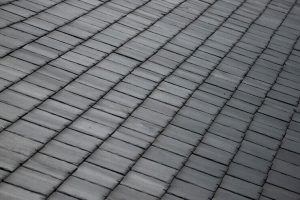
Another great material for your shingles is slate tiles. This is a natural material that is often requested by homeowners who value the vintage look. The lighter-colored slate tiles help to reflect the heat, while darker-colored tiles absorb it, Make sure that you have a balanced amount of each. Keep in mind that the prices for slate tiles might be more than other options.
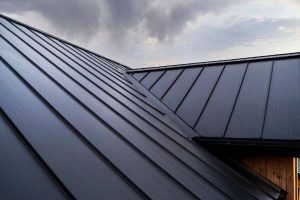
Metal sheets, contrary to popular belief, are great options for roofing material in hotter climates. They are extremely durable. If you choose a lighter color of metal, the shingles will efficiently resist heat without letting the sun’s rays in. They are also a great option for budget-savvy homeowners; they will quickly pay for themselves in their performance.
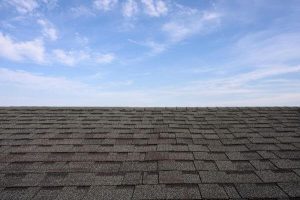
What Shingles Work Best in Cold Climates?

Now that we’ve covered options for hot climates, it’s time to see what materials hold up best in cold climates.

Asphalt is a common roofing material seen in colder climate areas because it maintains its structural integrity so well against the colder elements. If your roof does incur damage, it is very easy for a professional to replace the damaged shingles. If you decide to go with an asphalt material, make sure you talk to us about impact-resistant shingles, so you can really get more bang for your buck.
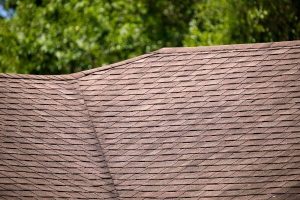
Composite shingles are a lightweight alternative to a slate and cedar shake that is becoming quite popular. So long as you have a great foundation on your house, this type of material will offer more than enough reinforcement to your roof. It will keep you and your family safe and warm in the colder climates.
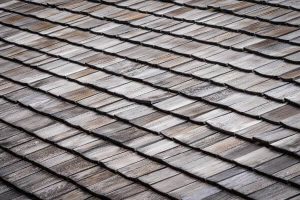
We didn’t forget about wood shingles. This type of shingle is often used in cold climates because it can provide twice the amount of insulation that an asphalt roof does. Wood shingle material will last about 25 years, so you won’t have to worry about replacing it for quite some time.
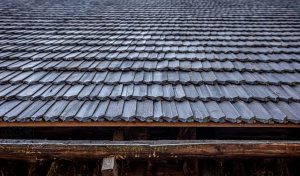
Wood shake roofs are also a great material to use in cold climates. Because wood shakes are even thicker than wood, they will be able to resist stronger winds, rain, and hailstones better than other roof materials. Wood shake roofs last up to about 35 to 40 years if maintained properly.
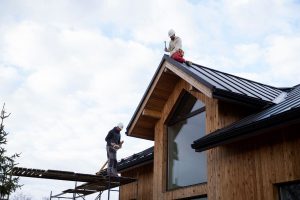
Shingle Maintenance

As with any roof shingles, you need to take care of them with annual or biannual inspections and regular maintenance. Clear your gutters and regularly make sure no pests have made themselves at home. By doing these things, you will get the most life out of your roof system, no matter what type of climate you live in.


from
https://roofingsolutionsnearby.com/how-different-climates-affect-your-shingles/


from
https://roofingsolutions0.weebly.com/blog/shingle-performance-in-different-climates-what-you-need-to-know

from
https://angelicaayala0.blogspot.com/2023/03/shingle-performance-in-different.html


from
https://angelicaayala0.weebly.com/blog/shingle-performance-in-different-climates-what-you-need-to-know

from
https://chrisnunez0.blogspot.com/2023/03/shingle-performance-in-different.html


from
https://chrisnunez0.weebly.com/blog/shingle-performance-in-different-climates-what-you-need-to-know

Friday, 10 March 2023

How to Avoid Scams and Choose a Reliable Roofer for Your Roofing Needs

A roof is a big investment. Ranging anywhere from $450 to $700 per square foot, a new roof is no small expense. When searching for a roofing company, you need to make sure they are reputable. What types of things indicate a reputable roofer? We’re glad you asked!

Things to Look for in a Good Roofer

Image result for roofing clipart

  1. Licensed. Although not all states require roofing companies to have a license, a license is important to ensure all employees are properly trained. Be sure to ask for proof of licensing before any work is done.
  2. Insured. Always ask for proof of insurance and make sure the insurance covers not only their employees or contractors but also any potential damage to your home or surroundings as a result of the roofing work.
  3. Bonded. Being bonded ensures that a company takes its responsibility to its customers seriously. As with licensing, bonding is not a requirement in any of the states, but it does help to indicate the integrity of the company.
  4. Good online reviews. In the age of technology, it is now easier than ever to check the satisfaction rate of customers. However, keep in mind that some people are never satisfied. Check multiple reviews. Read them thoroughly, don’t just check star ratings.
  5. BBB. Check their Better Business Bureau (BBB) rating. The BBB website is a fantastic resource to find information on local companies, even if they don’t have a website. If the business has a low rating on the BBB, don’t use them.

Signs that you might have found a Bad Roofer
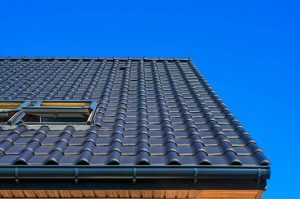
  • The roofer tells you to get your own permit. This is a huge red flag. A roofer who tells you to get your own permit is probably not insured or licensed. Once you, the homeowner, get the permit yourself, you are completely liable for the job, and you are left holding the bag if anything goes wrong.
  • The person or company can’t provide proof of insurance or license. As discussed above, a roofing company that cannot give proof of insurance and licensing may be trying to skirt around regulations and should not be trusted.
  • The roofers don’t inspect the attic. It is critical to inspect the underside of the roof (if possible) to get a complete and accurate estimate. After all, the roof sits on the attic.
  • They don’t give a “presentation.” The average homeowner only needs to replace a roof once or twice during their entire lifetime, so they don’t know the finer details of the roofing process. A roofing company that does not give you a presentation may not actually know what they’re doing, and you could end up with much greater roofing problems.
  • They want cash only. This is another huge red flag. If the roofers only want cash, they may be trying to avoid having a paper trail. Always keep a paper trail for your own records, such as receipts, quotes, contracts, and bids.Image result for roofing clipart

Conclusion

When looking for a roofer, you have to consider their reputation. If they don’t have a good reputation, you can bet that they will not provide quality work. In addition to that, you’ll be out a few thousand dollars and stuck with a bad roof. A good roofer will be reputable, licensed, insured, and bonded.


from
https://roofingsolutionsnearby.com/how-to-choose-a-good-roofer-2/


from
https://roofingsolutions0.weebly.com/blog/how-to-avoid-scams-and-choose-a-reliable-roofer-for-your-roofing-needs

from
https://angelicaayala0.blogspot.com/2023/03/how-to-avoid-scams-and-choose-reliable.html


from
https://angelicaayala0.weebly.com/blog/how-to-avoid-scams-and-choose-a-reliable-roofer-for-your-roofing-needs

from
https://chrisnunez0.blogspot.com/2023/03/how-to-avoid-scams-and-choose-reliable.html


from
https://chrisnunez0.weebly.com/blog/how-to-avoid-scams-and-choose-a-reliable-roofer-for-your-roofing-needs

Wednesday, 8 March 2023

Everything You Need to Know About Solar Tiles

Have you ever looked at your neighbor’s roof and wondered why it’s so shiny? Have you driven through a neighborhood with futuristic-looking roofs and wondered what in the world their roof is made of? While it’s possible that what you saw were solar panels, it could also have been a solar tiled roof. In this article, we will discuss what solar tiles are, what they are made of, how they work and are installed, and a short list of pros and cons. Buckle up, and let’s go!

What Are Solar Roof Tiles?

Much like their cousins, solar panels, solar tiles are thin, photovoltaic sheets that can either replace or lay on top of your shingles. Just like solar panels, solar tiles harness the energy they create from sunlight to power your home. A very interesting fact about this type of shingle is that it can be installed in any climate. This type of roof shingle is really a testament to how far technology has advanced and opens doors for even more possibilities for the future of roofing.

How Do They Work?

Great question! The sunlight hits a solar shingle that has been coated with a special surface that knocks off an electron from particles of light. Then, the free electron goes through an electrical circuit where other electrons are being stored. This compilation of electrons is then used to generate a current. That is how all our solar electricity works, no matter what form the photovoltaic device is in.

What Are They Made Of?

They are about 12 inches wide and 86 inches long and weigh about 13 pounds per square foot. The thin-film solar cells are made from copper indium gallium selenide. This is a semiconductor that allows the cells to be thin and flexible. They are usually less than an inch thick, so they won’t look big and bulky like a solar panels.

How Are They Installed?

Since these high-efficiency energy savers are so high-tech, it is best to have a professional roofer install them for you. Having a professional do it also helps assure the best return on your investment. The way they are installed requires a lot of labor and TLC. Your roofer will put in shingle after shingle while wiring each one inside your home. This is a tedious job that should be done ONLY by professionals. There are a lot of permits and paperwork that go into owning solar-powered anything. This is something professionals can handle for you, as well as saving you time and energy on doing the project yourself.

Pros and Cons of Having Solar Tiles

The benefits of installing solar tiles in your home are awesome! But as with a lot of things in life, nothing is perfect, which means there are some downsides to installing solar tiles. Below is a list of just a few pros and cons of having solar tiles:

Pro: Save Money! Like solar panels, solar tiles will help cut your electricity bill in half, and you may even be able to make money from your electric company for the excess power that your roof supplies back into the grid.

Pro: Solar tiles bring a certain je ne sais quoi to your overall home aesthetic. They have a more modern to futuristic look to them that a lot of prospective homeowners will find appealing. This is something to keep in mind if you envision yourself moving in the future. These tiles are designed to match existing roofing, so they will blend in making a nice finish on your roof.

Con: It’s true that solar tiles are quite energy efficient, but they cannot completely compare to solar panels. Panels can be tilted for the best sun exposure whereas tiles cannot. This may result in purchasing more tiles down the line to reach the same energy output as your neighbors with panels.

Con: While they will save you tons of money in the long run, the initial cost of installation can be quite a hefty chunk of money. This can cost anywhere from 10k to 20k. However, most states have grant programs to help with initial costs.


from
https://roofingsolutionsnearby.com/solar-tiles-heres-the-scoop/


from
https://roofingsolutions0.weebly.com/blog/everything-you-need-to-know-about-solar-tiles

from
https://angelicaayala0.blogspot.com/2023/03/everything-you-need-to-know-about-solar.html


from
https://angelicaayala0.weebly.com/blog/everything-you-need-to-know-about-solar-tiles

from
https://chrisnunez0.blogspot.com/2023/03/everything-you-need-to-know-about-solar.html


from
https://chrisnunez0.weebly.com/blog/everything-you-need-to-know-about-solar-tiles

Monday, 6 March 2023

Are Roof Problems and Pests Ruining Your Home?

In this series, we’ve covered how roof rot and roof fungus can affect not only your roof but your health as well. In this article, we will go over some other common roof problems and pests and some ways to remedy them.

What are some common roof problems?

Leaks

Every homeowner knows that the number one problem they might encounter with their roof is leaks. There are a number of reasons why your roof might be leaking. Most leaks occur near the chimney, or under damaged shingles, near flashing points, at skylights, and near gutters. Watermarks on the ceiling can indicate a leak somewhere on your roof. We also recommend a biannual professional inspection to make sure the roof is being well taken care of.

Blistering

Another common roof problem that can occur is blistering and cracking. Older roofs especially tend to develop ridges, blisters, and cracks. These problems don’t affect every type of roof, and a low pitch to your roof increases the chances of this roof problem. Multiple layers of shingles can also contribute to blistering and cracking.

Gutters

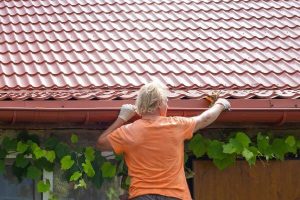
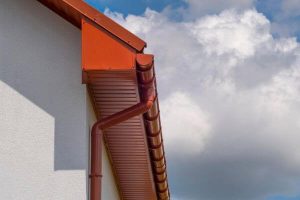
Clogged gutters will often go unattended and are easy to overlook. A vital element of your roofing system, your gutters provide a primary line of defense against water damage. An improperly maintained gutter system allows water to back up into the roof, and this can lead to water seeping into the eaves. If not checked, this damage can lead to roof rot. Give your gutters a routine cleaning and checkup to prevent this roof problem. You can also install screens atop your gutters to keep twigs and leaves from backing up your gutters.

What are some common roof pests?

Birds

Bird rank as the number one roofing nuisance a homeowner can experience. The noise they make can be annoying. When they settle in — roosting and nesting on your roof or under the eaves, your real roof problems start. Notoriously difficult to dislodge, birds create problems on the roof and off. Bird nests and droppings constitute health hazards to you and your family. Keep in mind that birds tend to gravitate towards warmer areas, making your roof look like a vacation destination. They especially favor roofs with solar panels. This roof pest requires professional help to remove. We offer the installation of bird deterrents to keep birds off the roof.

Raccoons

Homeowners underestimate these furry little mammals when it comes to roofs. Your roof offers raccoons a great vantage point. From here, these roof pests can easily spot food sources, and they can even create hide-holes where they live and store their food. Like birds, once raccoons move in, they are hard tenants to remove. Raccoons typically gain access to your roof by crossing overhanging branches. Don’t try to remove these critters yourself. They are wild animals and also carry diseases. Call a professional to help with these roof pests.

Rats & Mice

You might not think that rats and mice can cause problems on your roof, but you would be mistaken. While they typically reside in trash, sewers, and drains, they can also make quite a comfortable place in your attic and roof cavity. Hey are similar to birds in the respect that they are attracted to warm places, so your attic and roof cavity are great places for them to hide and breed. These pests are known to carry several diseases that are spread through their feces, urine, and bite wounds. Suffice it to say, once you notice little droppings, or even see the little tail of an unwanted friend, it’s time to call in the professionals, for where you see one, there are ten others in the woodwork.

Wasps

The annual summer bane of homeowners, wasps love to settle inside roofs. This roof pest typically builds nests in areas easy for them to access. Unfortunately, these nests tend to be difficult for homeowners to find. Despite their small size, wasps pose danger to you and your family and should be dealt with immediately.


from
https://roofingsolutionsnearby.com/roof-problems-and-pests/


from
https://roofingsolutions0.weebly.com/blog/are-roof-problems-and-pests-ruining-your-home

from
https://angelicaayala0.blogspot.com/2023/03/are-roof-problems-and-pests-ruining.html


from
https://angelicaayala0.weebly.com/blog/are-roof-problems-and-pests-ruining-your-home

from
https://chrisnunez0.blogspot.com/2023/03/are-roof-problems-and-pests-ruining.html


from
https://chrisnunez0.weebly.com/blog/are-roof-problems-and-pests-ruining-your-home

Friday, 3 March 2023

Reading Between the Shingles: What Your Roof Is Telling You About Its Condition

While it might not seem like it, your roof is an important part of your family. It takes on the elements like snow, rain, and hail, so you don’t have to. But unlike the rest of your family, it has a hard time telling you when something is wrong. However, there are common signs that will indicate when something isn’t right. As a homeowner, it’s important to know what to look for and when to call in a professional. Now the tricky part– knowing what you need to look for…

Water Spots on the Ceiling

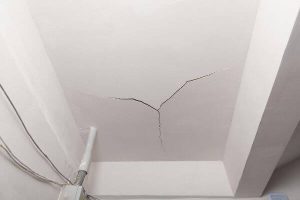
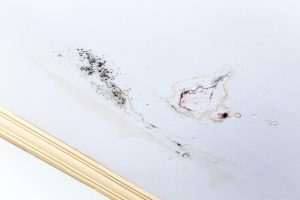
Quite possibly the most common sign that something is wrong with your roof is unsightly discoloration on your ceiling. When your ceiling starts to stain or leak, this could be a sign that there is an excess buildup of moisture in your attic. Unfortunately, there could be a number of reasons why this is happening. To avoid further damage to the structural integrity of your attic and roof, it’s best to have a professional come and asses the damage and find the issue.

Water Damage on Exterior Walls

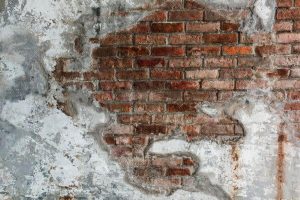
A common problem to overlook is water marks on your wall. You could easily mistake this for issues with your siding or even the plaster. Normally this means the step flashing is loose where it meets the wall. If it’s not loose, it could be because it has either rusted or incurred damage. If the damage to your wall appears worse after a good rainstorm, it’s pretty safe to say that this is the culprit.

Gutters Have an Excess of Granules from Shingles
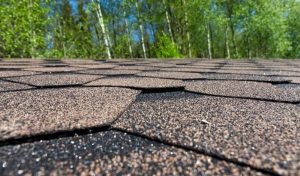
This is a great sign that your roof is at the end of its life and is going to need to be replaced soon. It’s very important to get ahead of this problem because the granules protect the shingles from harsh UV rays. When the granules are all removed, your shingles will begin to decay and become very brittle. This can lead to cracked shingles, which is a big problem for homeowners and should be addressed quickly.

Cupping Shingles

If your shingles have begun to cup, this could be a sign that your attic is having ventilation issues, or that your shingles are old and worn. This is a good sign the roof will need to be re-shingled. This is a good time to have a professional come out and assess your roof for other problems. Cupped shingles can be very problematic for your roof’s health. If these shingles aren’t fixed, they can blow off in a strong wind, leaving your roof exposed to the elements.

Black Stains on the Roof

This is a tell-tale sign that you have an algae problem. Some websites will say that this isn’t a problem, but that’s where they’re wrong! Algae, when left to fester and grow, can dislodge the granules in your asphalt shingles, leaving them exposed. Algae can also attract moss to your roof, which has the same effect on your shingles. Placing zinc strips around the ridge of your roof will release a fungicide that, when it rains, that will kill the algae. Another option is to mop your roof with a bleach mixture that will instantly kill the algae. However, if algae or moss has been a continuous problem, it’s best to have a professional come take a look at your roof.


from
https://roofingsolutionsnearby.com/things-your-roof-is-trying-to-tell-you/


from
https://roofingsolutions0.weebly.com/blog/reading-between-the-shingles-what-your-roof-is-telling-you-about-its-condition

from
https://angelicaayala0.blogspot.com/2023/03/reading-between-shingles-what-your-roof.html


from
https://angelicaayala0.weebly.com/blog/reading-between-the-shingles-what-your-roof-is-telling-you-about-its-condition

from
https://chrisnunez0.blogspot.com/2023/03/reading-between-shingles-what-your-roof.html


from
https://chrisnunez0.weebly.com/blog/reading-between-the-shingles-what-your-roof-is-telling-you-about-its-condition

Roofing Inspections for Real Estate: Key Steps for Buyers and Sellers

When it comes to real estate transactions, the condition of the roof plays a vital role. For buyers, a comprehensive roofing inspectio...